Soiling losses do not show on the bill in a single day. They build up slowly, so they are easy to miss. A Midrag guide (in Hebrew) notes that dust, sand and mineral-rich water are part of the challenge in Israel.
What does dirt cost?
A guide from the German development agency GIZ reports annual losses of up to 25%, and notes that many studies point to around 6% a year. The range is wide because it depends on climate, panel angle, surroundings and how often it rains.
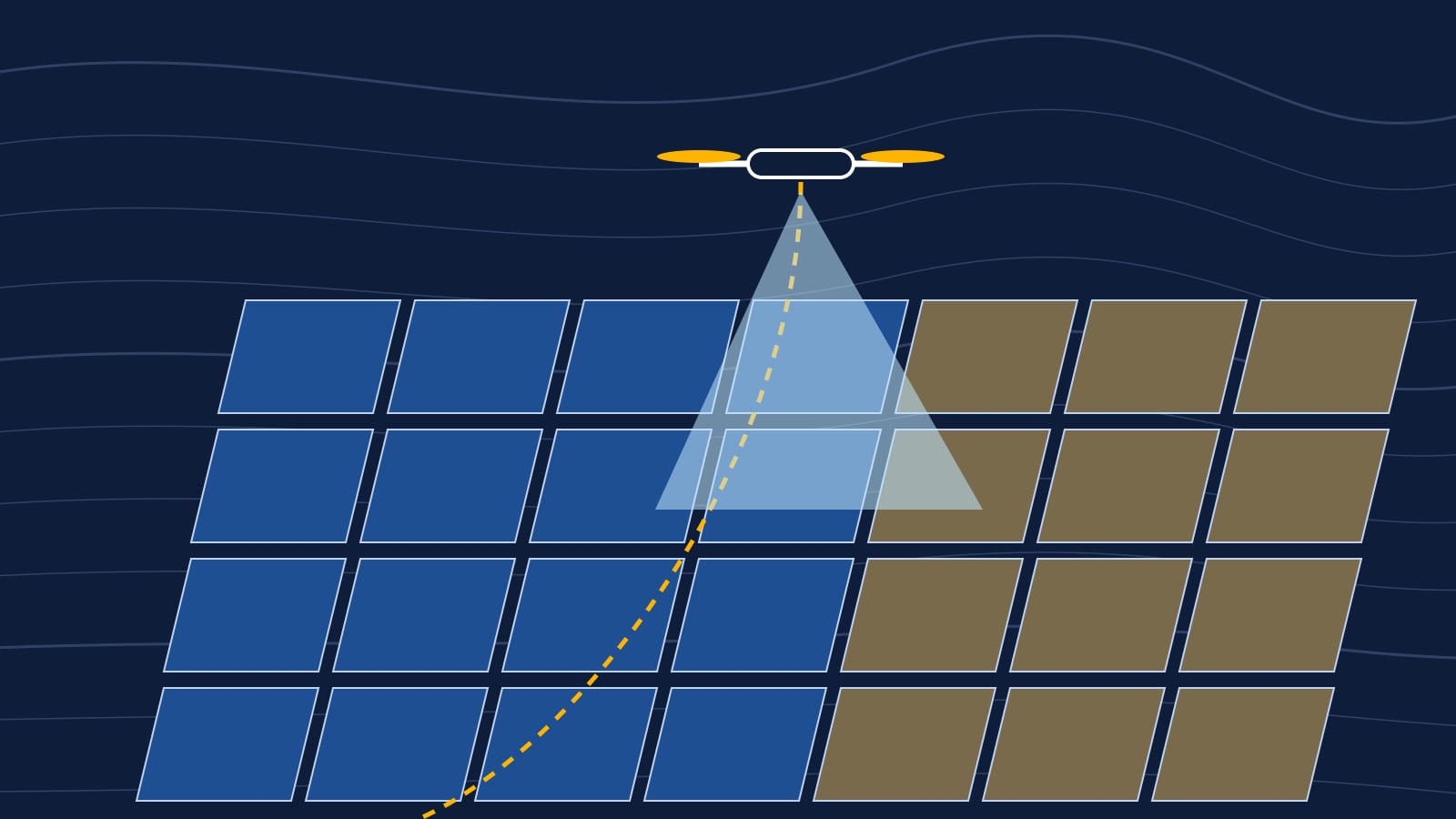
To know what is happening on your site, compare actual production with irradiance data, or compare clean and dirty strings on the same site.
When does a drone fit?
- High or steep roofs. Work without climbing on the roof or walking between rows.
- Tiled roofs and sensitive buildings. When access itself is hazardous or may cause damage.
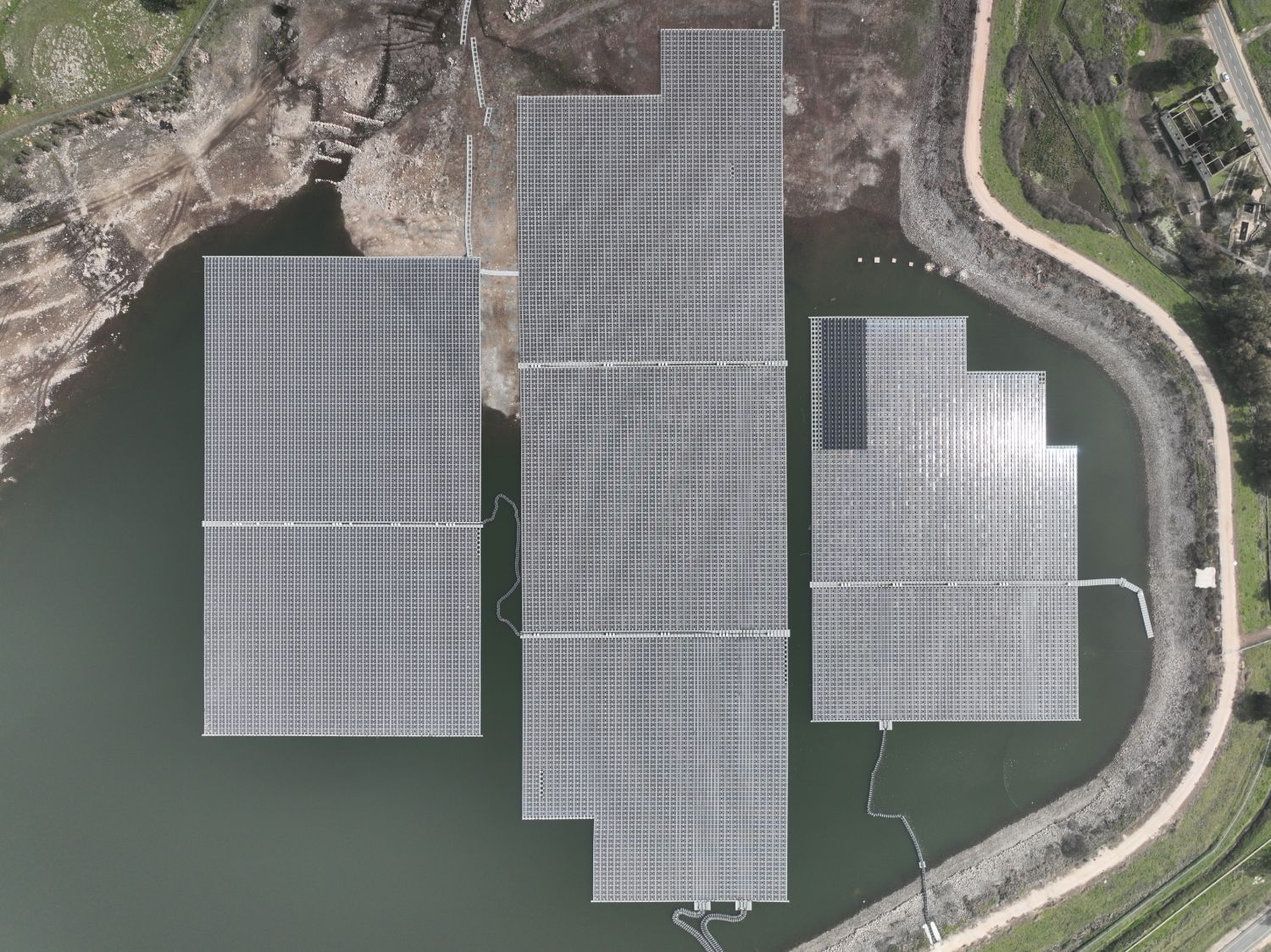
- Floating systems or difficult ground. When access on foot is complicated.
On a large accessible field, a robot or a ground crew may suit better. Compare by cost per area and water availability.
What must you not do to a panel?
GIZ warns against metal brushes and corrosive materials. In addition:
- Water pressure. Some providers avoid high pressure and some use it, so check what the panel manufacturer's instructions allow.
- Type of water. Providers recommend deionised water to avoid deposits. Here too, it is best to check the manufacturer's documents.
- Time of day. It is common practice to avoid spraying cold water on a very hot panel, so a suitable hour is chosen.
- Warranty. Make sure the cleaning method does not affect the system's warranty.
How do you check that washing paid off?
- Measure production before washing, over several similar days.
- Wash, and if possible leave one string unwashed for comparison.
- Compare production afterwards, taking irradiance into account.
- Calculate the value of the gain against the cost of washing.
Washing, thermal inspection or both?
Washing deals with dirt, and thermal inspection finds faults. Combining them helps separate a dirty panel from a faulty one. Read more in the guide to thermal inspection.
Common questions
How often should panels be washed?
There is no single number. The surroundings decide: a site near a dirt road, a dairy farm or an industrial area gets dirty faster. Production data will tell you when it pays off.
Doesn't rain clean them?
Rain washes off some of the dust, but light rain can turn dust into mud that stays on the panel.