Sometimes the problem is not the weight but the way there. A few dozen kilograms of equipment for the top of a tower, a roof with no lift or a slope with no road can mean placing a crane, opening a track or long hand-carrying. In cases like these, a heavy-lift drone is worth checking.
How much can a drone lift?
It depends on the aircraft, the batteries and the conditions. Two examples from the market, according to a distributor:
| Example model | Stated maximum weight |
|---|---|
| DJI FlyCart 30 | 30 kg with two batteries, 40 kg with one |
| DJI FlyCart 100 | 85 kg with two batteries, 100 kg with one |
These are maximum manufacturer figures, not a commitment for a particular job, and they may vary between countries. In practice, the liftable weight depends on temperature, wind, distance and safety margin. The FlyCart 100 winch is listed with a cable of up to 30 metres, which allows a load to be lowered without landing.
What is it good for?
- Roofs and towers. Moving equipment and materials when there is no lift or a crane is unavailable.
- Areas with no road. Slopes, open land and remote sites.
- Power lines and infrastructure. Pulling a pilot line and bringing equipment to poles.
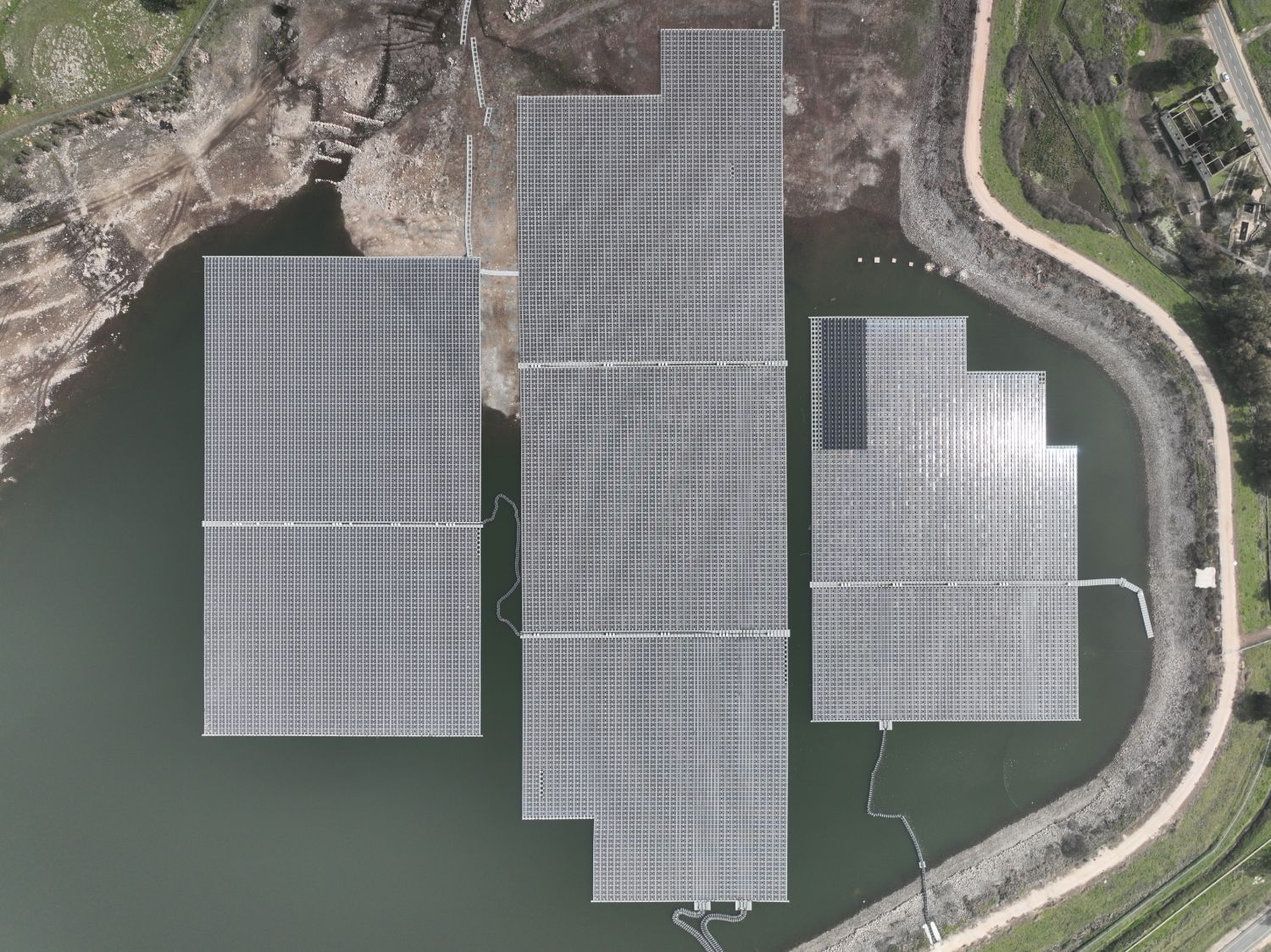
- Solar installations. Equipment for roofs and difficult ground, according to the weight of each item.
Drone, crane or helicopter?
| Heavy-lift drone | Crane | Helicopter | |
|---|---|---|---|
| Weight | Relatively low | High | High |
| Access | No road needed for the load | Needs a road and a pad | Needs coordination and a landing or lifting area |
| Suits | Many small loads to a difficult place | Heavy parts on an accessible site | A heavy load at a remote place |
6 things you must plan
- Real weight. Including packaging, straps and hook. Weigh it, do not estimate.
- Load shape. A wide, or light and bulky, load swings in the wind.
- Route. Not over people, with a closed area at the lifting and lowering points.
- Weather. Decide in advance up to what wind you work and what happens if it is postponed.
- Ground crew. Who attaches, who detaches, and how they talk to the pilot.
- Permits. Carrying an external load is an activity to check with the Civil Aviation Authority before the job.
What should you send to get an answer?
- The weight and dimensions of each item, and how many items.
- The lifting and lowering points, and the distance between them.
- Who is in the area and how it can be closed.
- The preferred date, and whether it is flexible.
Send us the details, or go to the lifting service page.